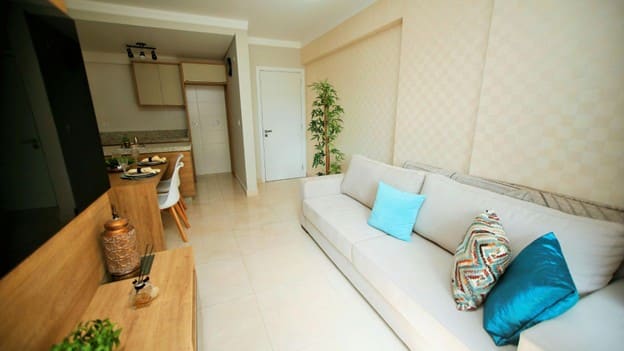
If you have walked into a house and felt an instant sense of calm and comfort, you know that a home’s vibe is about more than just pale walls and empty shelves. Vastu Shastra, the age-old Indian art and science of space design and energy flow, looks at each nook and cranny of your home with the idea of creating that positive energy.
In this blog, we will discuss about how to create a peaceful home by blending minimalistic design with Vastu Shastra principles to enhance energy and overall wellbeing.
Minimalism + Vastu = Beauty Bliss
In Vastu, clutter blocks Chi (life-force energy). Minimalism takes care of that, but Vastu takes it a step further. It gives you guidance on what to do and where to put it so that energy circulates in a harmonious way.
A minimalist Vastu home feels:
- Calm yet vibrant
- Spacious without being cold
- Intentionally arranged for both beauty and prosperity
Direction Matters – The Vastu Map for a Minimalist Home
Entrance
Keep it clutter-free and well-lit. Ideally face North, East, or North-East for welcoming positive energy. A single brass lamp or potted plant works better than a cluster of décor items.
Living Room
Position seating in the South or West zone so you face East or North when seated. Keep the center of the room open—the Brahmasthan—so energy can flow unhindered.
Bedroom
Bed placement in the South-West brings stability. Use soft earth tones and avoid mirrors facing the bed.
Kitchen
The South-East is the fire element zone. Keep it clean, minimal, and organized, with warm lighting and natural materials.
Vastu-Friendly Color & Material Palette for Minimalism
- Walls: Soft whites, beiges, pastel greens, or muted yellows for balance and openness.
- Furniture: Natural wood, cane, bamboo, or linen-covered pieces. Avoid overly shiny metals in main living areas.
- Décor: Fewer items, but each with meaning—like a single prosperity symbol or handwoven rug.
Isha recommends keeping colors in harmony with the element of the direction. For example:
- North-East: Light blue or cream (water element)
- South: Warm reds or terracotta (fire element)
- West: White, grey, or sandy tones (air and space elements)
Common Minimalist-Vastu Challenges and Remedies
Challenge: Rented home where you can’t change the fixed-layout plan from Vastu perspective.
Remedy: Use plants, mirrors, or lamps to symbolically create balance in the direction of energy.
Challenge: Empty walls in your minimalist home.
Remedy: Add a single, meaningful work of art in the East (growth) or North (career) direction.
Challenge: Too much white in the home making the space feel sterile.
Remedy: Layer in natural textures (wood, cotton, jute) to bring warmth without feeling cluttered.
Small Steps to Create a Peaceful, Vastu-Aligned Minimalist Home
- Keep Brahmasthan (center) free of heavy objects.
- Use plants in North-East for purification.
- Avoid storing unused items under beds or in corners.
- Open windows daily to refresh Chi.
- Introduce natural light wherever possible.
These steps may seem small, but they slowly shift your home’s vibration into one of calm, focus, and receptivity.
Vastu Tips for Modern Minimalist Homes
Even if your home can’t follow Vastu perfectly, you can balance it with these quick remedies:
- Place a bowl of water with fresh flowers in the North-East for peace.
- Keep a brass or copper décor piece in the East to strengthen social and family bonds.
- Use soft warm lighting in the evening to settle the energy before rest.
Isha’s Closing Note
“The less clutter, the less noise. And the more Vastu, the more music,” Isha says. “Minimalism is when you declutter and Vastu is how you let the flow of energy guide you. Create a home with mindful design and you have a home that’s designed to become a living support system for your health and happiness.”
When your home is gently aligned, life begins to flow with more ease, clarity, and joy. Get the expert guidance from best Astro Vastu consultant in Mumbai.